

How to safeguard your finances in a digital age against AI financial scams in 2026.

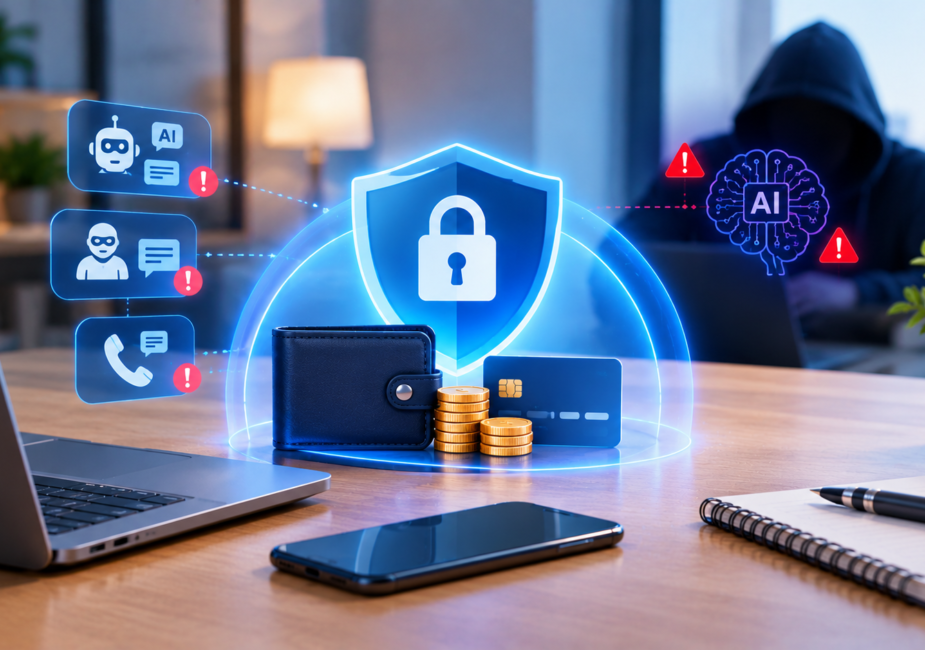
It is more than just saving, budgeting and picking a bank account to manage today’s money. Financial services are going mobile and online, and so too must the people.People need to learn the tricks of the digital fraud trade, as do financial services. When receiving messages that come across as official banking notifications, fake investment offers or convincing calls, it can be hard to tell if the request is legitimate or a scam.
Artificial intelligence is taking the fight to the next level. Using digital tools, fraudsters are able to craft more sophisticated messages, mimic authoritative communication styles and create fake content on a larger scale. Financial scams and fraud are highlighted as significant consumer finance risks by the Organisation for Economic Co-operation and Development (OECD) in the 2026 Consumer Finance Risk Monitor.In the 2026 Consumer Finance Risk Monitor, the Organisation for Economic Co-operation and Development (OECD) singles out financial scams and fraud as significant consumer finance risks.
It has become a growing element of personal finance to understand these risks. Saving money is not just about making more money; it’s also about making wise choices before releasing information or giving permission to make a payment.
How AI is transforming financial scams.The impact of AI on financial scams.
Old-fashioned scams used to be based on poorly written emails, bogus links, or the clear request for cash. These practices remain, but digital tools can be used by criminals to make the message look more professional and believable.
For instance, someone may get a message stating that their bank account has been blocked. The message might come in the name of the well-known brand, include formal, urgent language and ask the recipient to click on a link. A second scam could pretend to be from a company or a family member requesting a rush transfer.
It can also pose risks if the voice or face is manipulated or generated by artificial intelligence, as they may be more convincing to those who hear or see them. But not all messages that are unusual are AI-generated and not all messages that are AI-generated are frauds. It’s crucial to confirm the request, not just based on the convincing tone of the message.
This is why Urgent Financial Messages are worth noticing.
Most scams are trying to put pressure on you. A message can say that an account will close in a few minutes, a payment was not received or an investment opportunity is about to expire if funds are not transferred right now.
This situation makes it easy for people to avoid researching the facts. If a person is concerned that they are losing access to their account or that they are missing on a financial opportunity, they might do something before they think things through.
It is a safer bet to stop and check. A bank will never send you messages with links, or ask you to open a link. If a message contains a link, don’t click it – open the bank’s official app or use a recognized phone number. Hang up if a caller asks for a payment or important information and get in touch with the organisation via a trusted source.
If someone has a legitimate-like logo, a familiar voice or a professional-looking website, a financial request should never be accepted as a real one.
Write down the information that the scammers are seeking.
Financial fraud doesn’t always start with a direct approach to asking for money. At times, the first goal is to collect data that might be used in future to gain access to an account or become another person.
This information could contain passwords, one-time verification codes, card details or account recovery information. Another way a scammer can use information they’ve collected from social media or info breaches would be to make a message look more authentic.
Do not tell a person who calls unexpectedly a one-time password or a security code. Create and use different passwords on key accounts; where possible, use multifactor authentication and keep the e-mail account that is linked to financial services secure. If the service provides transaction alerts, turn them on to be able to see unfamiliar transactions.
Digital Payments Need a Verification Habit
With mobile banking and online payments, daily financial activities are made easier. It can be hard to retrieve a payment that has been made to the wrong person or to a dishonest account, however, depending on the situation and payment method.
Please verify name, account info and amount before confirming transfer. Do not assume anything about the business and the payment process for a new supplier, online seller or service provider. If anyone suddenly changes bank details, or asks you to make payments to a different bank account, be extra cautious.
A second verification step will be helpful for larger amounts. Do not use the contact information given in a suspicious message, but use your contact information from a known phone number. It is better to have a brief delay to verify than to find out that a transfer has been made to a fraudster.
If you think someone is scamming you, what to do
Do not enter anything else if you have already entered information by clicking a suspicious link, but you didn’t make an authorized payment. If you share a password, change it using the official service and make sure to secure any other account that has the same password.
If money has already been sent, notify your bank or payment provider and ask them how to cancel, recall or dispute the payment as soon as possible. Keep relevant messages, transaction references and other evidence. Report to the relevant authorities in your country.
Avoid people who guarantee to get you your money back for an upfront fee. A recovery scam will likely target those who have suffered a financial loss.
Financial security is a component of money management.
A solid personal finance plan is more than just a budget and target for saving money. It should also take into account the protection of financial accounts, the verification of payments and the speed of reporting of suspicious activity.
These are practices that are helpful for everyone from any economic background or age. There’s no need to have advanced banking skills to start: check the verification codes, don’t rush decisions and watch the account activity, use official banking methods.
With the ongoing evolution of digital financial services, being able to identify suspicious requests will continue to be a critical skill for everyday use. The objective is not to be afraid of online transactions, it’s to use technology with awareness and sensible precautions.
In the end it is about making wise use of finances and ensuring that they are not lost to unnecessary risks. With the prevalence of electronic transactions in today’s society, practicing your due diligence can be one of the most useful financial habits in your life.
AI Financial Scams Digital Banking Safety Financial Security Online Fraud Prevention Personal Finance
Last modified: October 9, 2026