
The consequences of the “buy now, pay later” scheme and what consumers should be aware of in 2026.

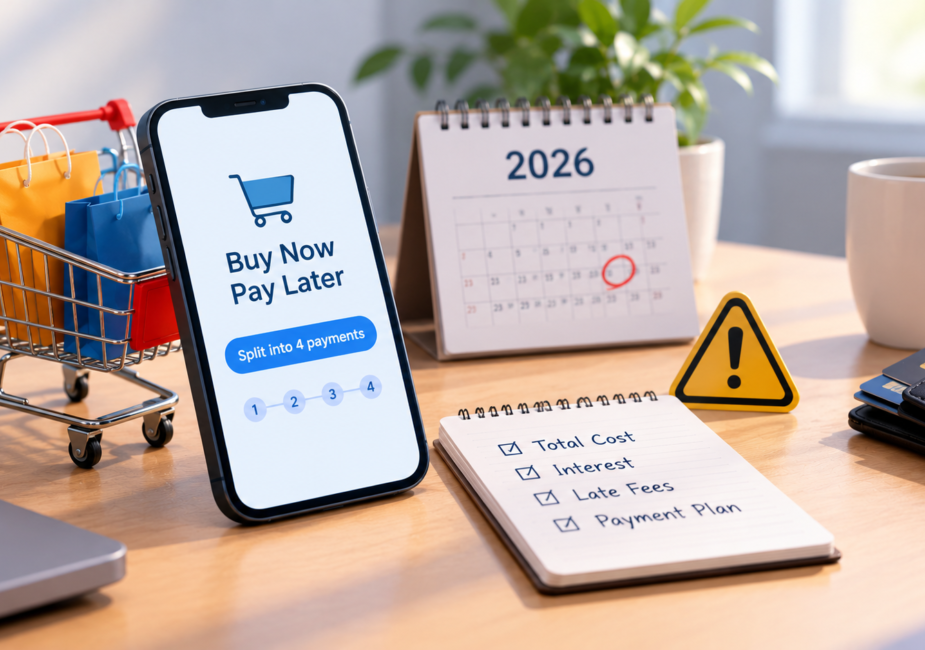
Internet shopping has impacted the way people pay for their everyday purchases. The customer can now also choose to pay for a purchase in smaller parts instead of paying the total price at the checkout counter. Also referred to as Buy Now, Pay Later (BNPL), this option can make the product appear more affordable due to the smaller upfront payment.
However, the smaller payment doesn’t imply the smaller financial commitment. If multiple purchases are paid for in installments, later payments may be processed before the previous ones are settled, leading to a “bingo” effect on the budget of the month. Knowing the true price of buy now pay later can help consumers make better informed purchasing decisions and prevent unwarranted financial strain.
What is the meaning of buy now, pay later?
Buy Now, Pay Later, a payment method wherein customers transact on goods or services, and pay for them over an agreed period of time. A few plans allow for four payments, others have various repayment options.
Some short term plans offer no interest in their payments, which can be appealing to customers looking to pay for a purchase over time. But the terms and conditions for fees, eligibility and repayment will differ from provider to provider. Consumers should read the agreement carefully to determine if there are any late fees, returned-payment fees or other fees from which they might be liable.
The crux of the issue is that the BNPL scheme is a credit scheme even though it’s offered as a checkout convenience. Consumers need to read the agreement before taking on it, instead of assessing affordability solely on the initial payment.
Understand the impact that small instalments can have on a budget.
An advantage of BNPL is that the individual payments seem small. A consumer may sign up for a number of installment loans for products, such as apparel, home goods, and electronics, without thinking of the way they’ll be organized.
Suppose they purchase 3 items with different methods of payment. While one transaction might be reasonable individually, the total amount of payments can take up a lot of the person’s next paycheque. Mortgage, food, car and utility payments must still be made, as well.
That’s why it’s important to consider affordability based on the total amount and not just the initial instalment. A purchase that is easy to pay for today may be hard to handle if multiple repayment dates are in the same week.
When it comes to costs to keep in mind, the following are the ones to consider:
An interest-free quote may have terms that still could affect the finances. Consumers should make sure the payment plan doesn’t have any late fees attached to it, what the consequences are if they miss a payment and if automatic payments would result in an overdraft or insufficient funds charge on their bank account.
Also, there should be an understanding of the return and the refund procedure. Just because you return the product, it doesn’t necessarily mean the repayment agreement is settled right away. The provider must be contacted by the consumer if a refund or disputed transaction applies to an outstanding balance and its terms and conditions are to be checked with the relevant retailer/lender.
The implications will vary depending on the provider, agreement and the consumer protection provisions of the country. Knowing the terms before buying can help prevent the shoppers from being subjected to any surprise expenses, and to understand their obligations.
Understanding the impact of BNPL on consumer spending habits.
Payment methods can impact on the consumer’s perception of a transaction. The first impression of a product’s price may be lessened when they see that the price is divided up into smaller chunks.
This can make it easier to feel good about purchasing something that wasn’t in the initial plan. If a person keeps taking out instalments without keeping a note of the amount outstanding on the purchase, the risk gets heightened.
This problem can be solved simply by determining if the purchase is really necessary before considering the payment method. When buying an item, if the entire price were not affordable at once, consumers should carefully assess whether spreading the payment is really creating a cash-flow situation or simply a delay in the cash-flow problem.
A simple solution for handling multiple payment plans
Existing BNPL users can help minimise confusion by maintaining a record of all their active transactions. A simple spreadsheet, budgeting application or a list can display the balance remaining, when the payment is due, and any payments due.
The next step is to compare these commitments to the anticipated income and necessary costs. This can help to identify times when multiple repayments may be close to each other.
Consumers should also do their best to avoid opening another payment plan just because one provider approves the request. While it may be approved, it may or may not be in the household budget. Don’t ignore missed payments, but reach out to the provider early to explore what options are available when repayments are becoming more challenging.
When buying now, paying later might be worth considering.
Not all BNPL is necessarily a bad financial deal. An instalment plan can be a helpful option for a buyer with a solid income stream and the ability to make all the payments comfortably.
The choice is based on the acquisition, the contract and the general financial condition of the individual. The consumer should consider all the obligations in terms of payment including the total repayment amount that will have to be paid and look at the other options available to them to make the payment and determine if this convenience is worth the obligations.
In addition, consumers should keep in mind that the way consumers are reported on their credit varies. Some providers may report payments to the credit bureaus, others may do something else. Unpaid debts can impact credit records under specific circumstances and local rules. It’s important to review the provider’s policy prior to signing up.
Becoming more informed about financial decisions.
Buy Now, Pay Later is just another indication of consumer finance changes: payment methods are increasingly becoming a part of ecommerce. Being convenient is great but it doesn’t excuse poor budgeting.
Consumers need to be aware of the total amount to be repaid, see the repayment schedule, read through the fees and think about how the payment will fit in with other repayments they may have. Additionally, tracking several agreements could assist avoid small tasks becoming a burden.
In the end, it’s not about blocking out all new payment options. It’s about knowing the dedication involved in any purchase. By taking a broader view of the total cost of the instalment when making the purchase, consumers can make decisions that help them manage their monthly budgets now and over time.
Buy Now Pay Later Consumer Spending Debt Management Financial Planning Personal Finance
Last modified: October 10, 2026