

Global Trade Is Changing: What Supply-Chain Diversification Means for Businesses

From lowest cost to dependable supply
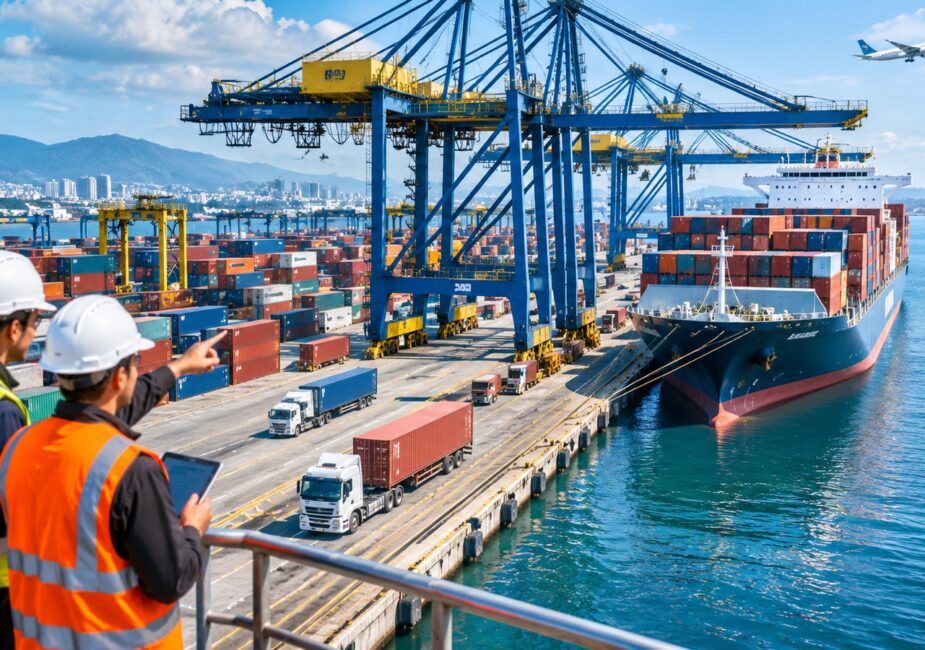
For many years, companies organized international supply chains primarily around production efficiency and price. Recent disruptions have reinforced another priority: reliability. A low-cost supplier can become expensive if shipping delays stop a factory or leave a retailer without inventory. Businesses are therefore reconsidering how much of their production and sourcing should depend on a single location, supplier or transport corridor.
Why diversification is difficult
Moving production is not as simple as choosing a new country on a map. Suppliers need skilled workers, dependable energy, quality control, transport links, financing and access to component networks. A company may discover that a lower assembly cost is offset by higher logistics expenses or inconsistent input quality. Diversification can also require duplicate tooling, additional audits and more complicated inventory management. The economic question is whether improved resilience justifies these costs.
Trade policy and business planning
Tariffs, export restrictions, product standards and customs procedures can influence sourcing decisions. Because these rules change, firms should avoid building long-term plans around an assumption that current policies will remain permanent. Scenario planning is useful: estimate the effects of a higher tariff, a longer delivery time or a temporary closure of a key route. This is especially important for businesses operating with narrow margins.
Opportunities for smaller firms
Supply-chain changes create demand for services beyond manufacturing. Freight coordination, supplier verification, customs documentation, quality inspection and inventory software can all help companies manage complexity. Smaller firms may compete by specializing in a product category or geographic corridor rather than trying to become global logistics providers. Trust and accurate information are particularly valuable when customers are entering unfamiliar markets.
A balanced approach to resilience
Diversification does not require abandoning efficient suppliers. A company might retain its primary source while qualifying a second provider for critical items, maintaining modest safety stock or redesigning products to accept alternative components. The right strategy depends on the cost of disruption, product shelf life and customer expectations. Resilience is strongest when it is measured and integrated into ordinary commercial decisions rather than treated as a slogan.
Last modified: November 18, 2026